Types of Wood
Picwood is a rare natural-material-based art form crafted entirely by hand from the shavings of over a hundred species of wood. Each shaving retains its inherent hue and texture, no artificial pigments, no dyes, only nature’s own palette. Every piece is a study in organic color theory, material memory, and ecological harmony. Selective and tactile, this art form transforms sustainably sourced remnants into works of profound aesthetic, ecological, and artisanal value. Born from nature and guided by conservation, Picwood redefines what art can be, a new technique unlike any found elsewhere in the world, where the simplest materials find new life through human craftsmanship
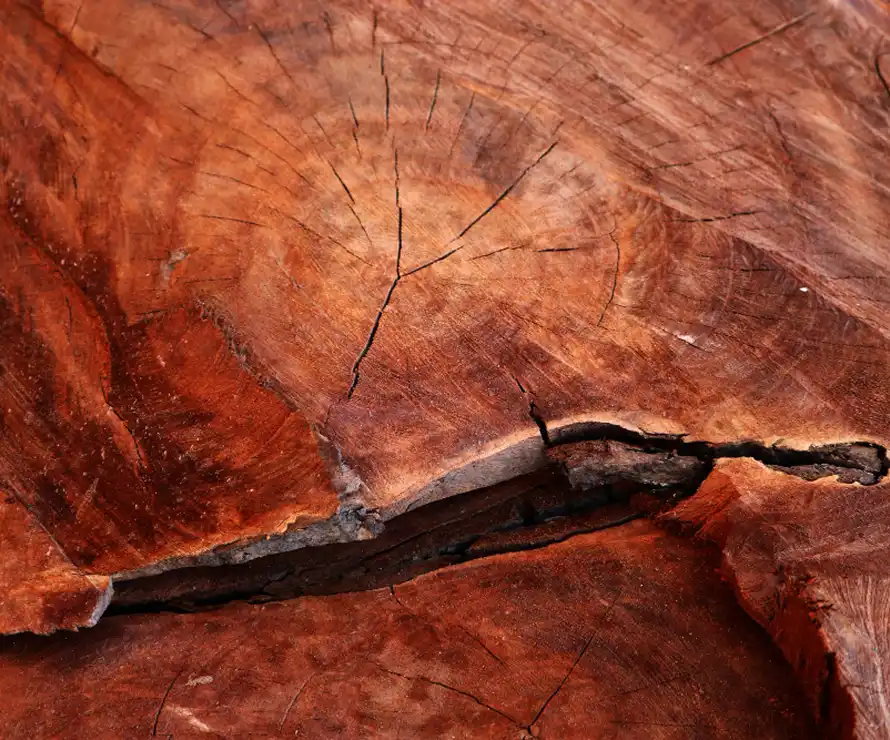
Teak
Teak is a noble hardwood, its warm amber tones and natural oils shaped by time, weather, and sunlight, carrying both strength and the quiet poetry of the forest within every grain.
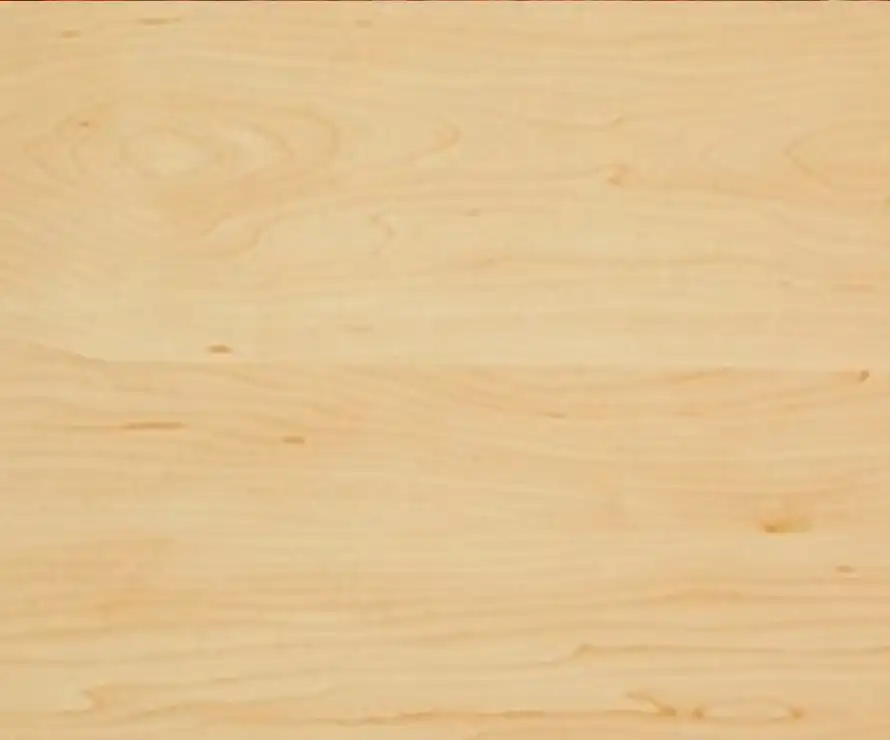
Birch
Birch is a wood of quiet clarity, its pale, curling grain capturing light like morning mist, each shaving whispering the subtle resilience and understated beauty of the forest.
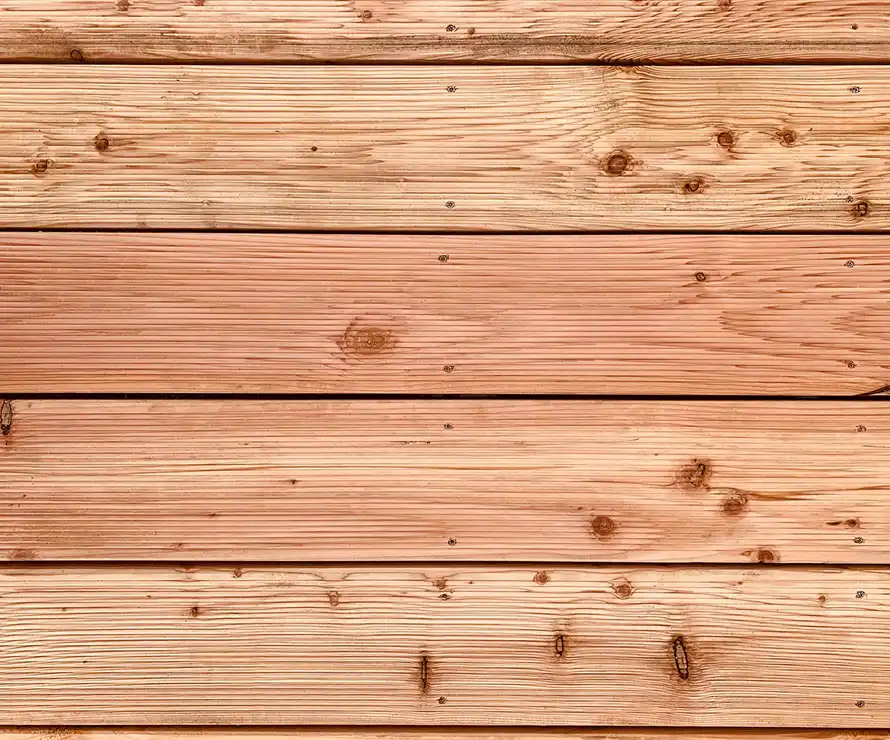
Cedar
Cedar is a wood of aromatic depth, its rich reddish fibers curling and weaving like smoke through the forest, each shaving carrying the memory of sunlight, wind, and time itself.
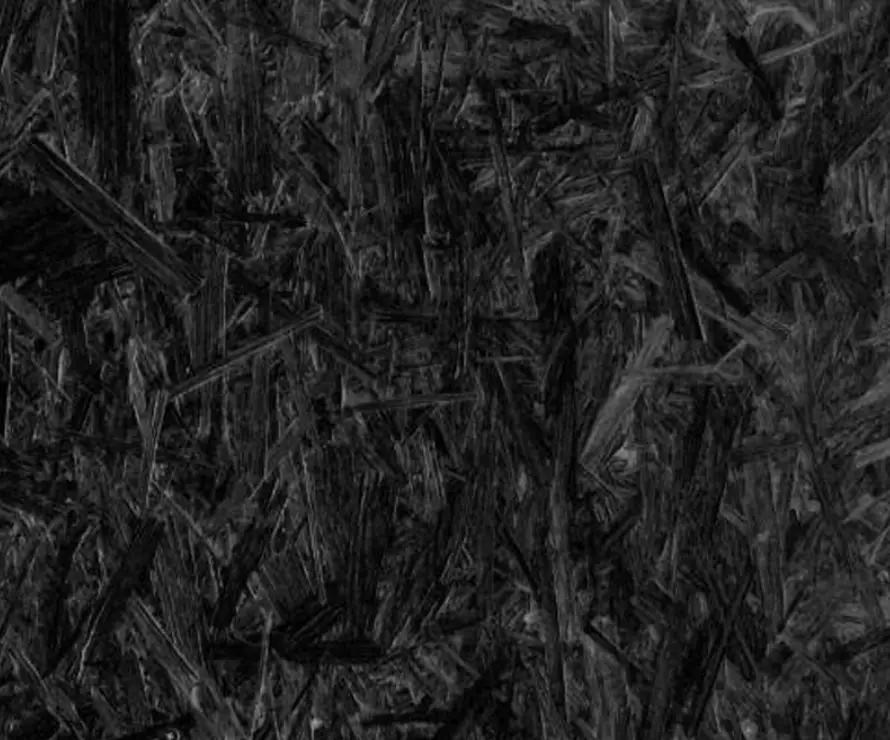
Ebony
Ebony is a rare and commanding hardwood, its deep, lustrous black hues forged by years of growth, absorbing the shadow and light of the forest. Each grain carries a quiet intensity, a natural elegance, and the enduring strength of time itself.

Biling
Biling is a hardwood of understated grace, its soft golden-brown tones deepening with time. Each grain holds the memory of sunlit canopies and the gentle passage of seasons, carrying a quiet warmth and the subtle, enduring voice of the forest.
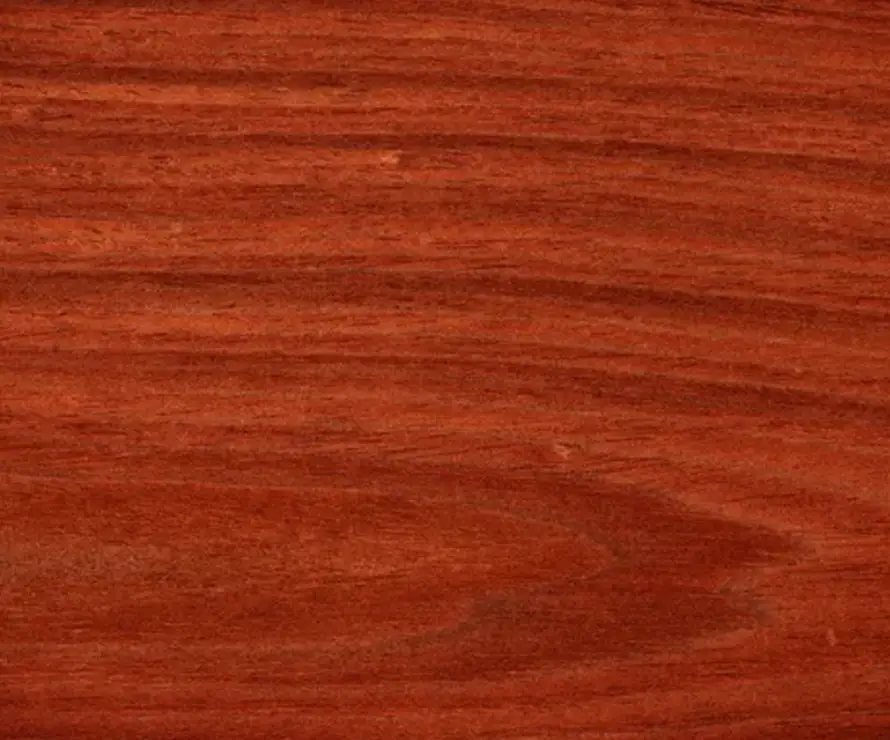
Mahogany
Mahogany is a hardwood of quiet majesty, its reddish depths forged over decades beneath the forest canopy. Each line and curve of its grain tells of sunlight filtered through leaves, of rain tracing its way along the tree’s growth, carrying a warmth and resilience that feels almost alive.
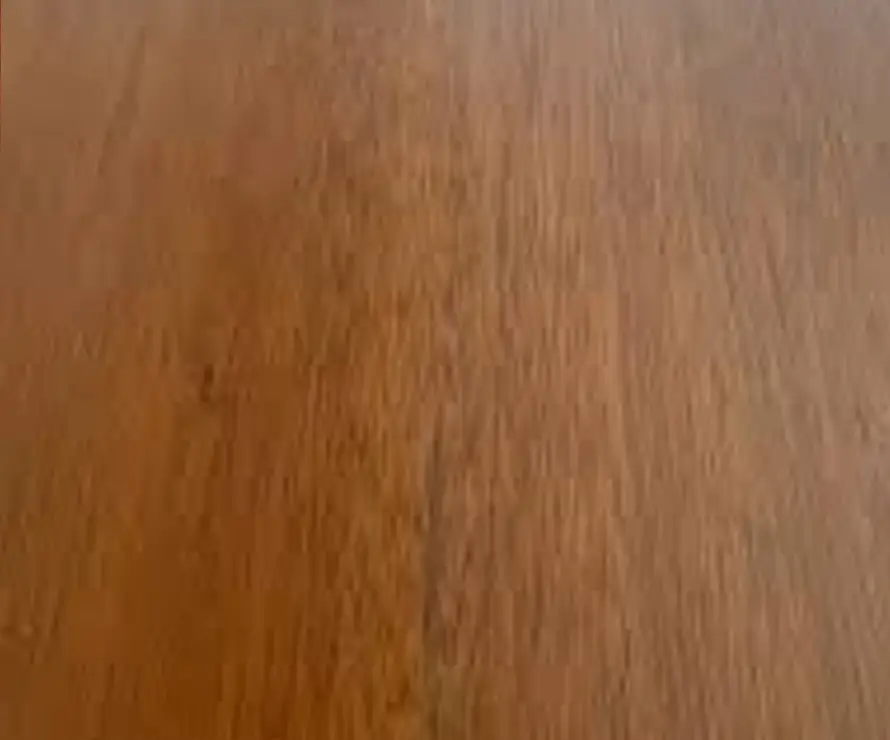
Mara
Mara carries the golden warmth of the tropics, its grain rich, fluid, and alive with light. Once shaped by monsoon winds and sun-drenched soil, it holds a quiet brilliance, a softness that speaks not of grandeur, but of grace found in nature’s calm endurance.
Preservation Process
Each fragment of wood is carefully softened using time-honored herbal treatments, then thoughtfully prepared to retain its natural flexibility and character.
The process honors the grain, texture, and subtle hues of the wood, preserving the story embedded in every ring and fiber. Free from dyes or artificial finishes, each piece is allowed to reveal its true essence, forming the foundation for intricate, enduring works that celebrate nature’s quiet beauty.
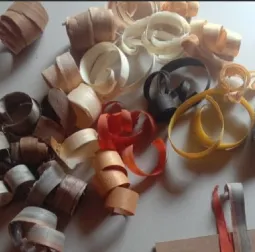
Sustainable Harvesting
Every piece of wood is sourced with care, selected from responsibly managed trees to ensure minimal impact on the forest
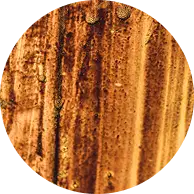
Seasoning & Drying
Each shaving is naturally treated and conditioned to achieve pliability while retaining its inherent texture and grain
Protective Treatment
Once prepared, each piece of wood is gently treated to safeguard its natural integrity

Nature’s Palette
Color is never imposed, it is uncovered, a revelation of the tree’s own history. Each shaving bears the quiet verse of its origin, hues shaped by sun, soil, and the slow, deliberate rhythm of the seasons. The deep, honeyed glow of teak, the pale, almost spectral luminescence of birch, the smoky, resonant depth of cedar, all are whispers of the forest, subtle yet resonant. Each shade speaks with a gentle authority, allowing the wood itself to narrate its story, a testament to nature’s enduring artistry.
How Products Are
Made from Scratch
Where Nature Meets Craft
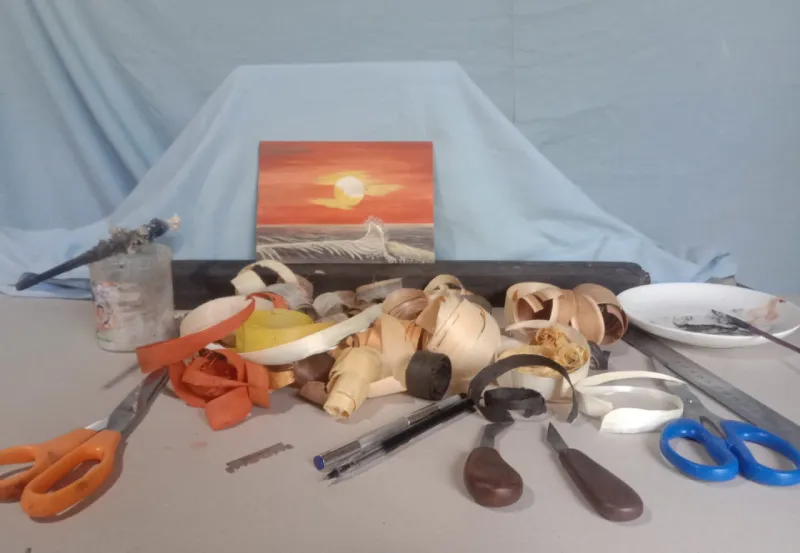
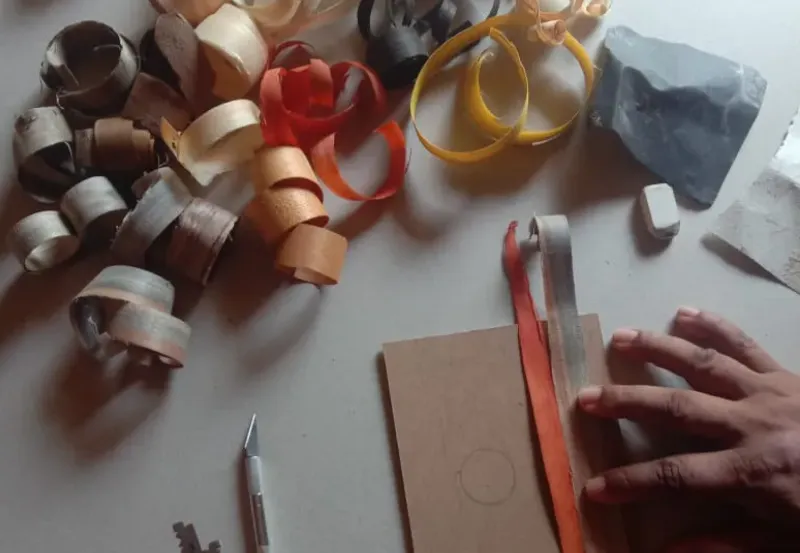
Every Picwood piece begins as a simple fragment of wood, softened with traditional herbal treatments and carefully selected for its natural grain and texture. Each shaving is then shaped by hand, arranged into patterns, portraits, or abstract forms that let the wood’s own color, rings, and lines tell the story. No paints or artificial finishes are used, nature and craftsmanship work together to transform humble fragments into living art.

More Than A Picture