A beautiful room can be furnished perfectly and still feel unfinished. The proportions may be elegant, the light carefully considered, and the materials quietly expensive, yet the space can remain emotionally distant until a singular artwork gives it a voice.
This is the role of luxury wall art. It does not simply occupy an empty surface. It becomes the visual center of gravity, shaping how the room is remembered and how it feels to live within it.
For buyers accustomed to mass-produced prints and decorative objects, a price of several thousand dollars can initially seem difficult to understand. The difference becomes clearer when wall art is viewed not as a printed image, but as an original object shaped by artistic vision, rare skill, material character, time, and scarcity.
The price is not only attached to what can be seen. It reflects everything that had to happen before the artwork could exist.
Why the Price Can Feel Surprising
When you first see luxury wall art priced in the thousands, it is natural to wonder what makes it so different from ordinary wall decor.
You are not only paying for the materials you can see. You are choosing an artist’s vision, hours of patient craftsmanship, and the rare character of a piece that cannot be easily repeated.
The right artwork should do more than complete your room. It should make the space feel more personal, create an atmosphere you want to return to, and continue to hold meaning for years.
More Than The Cost Of Materials
The value of an original artwork cannot be measured by adding together its raw ingredients. A canvas is not valued only by the cost of fabric and pigment. A sculptural wooden piece is not valued only by the price of timber. The material is a beginning, not the finished meaning.
Luxury wall art decor may require months of experimentation before the artist discovers the right technique, composition, texture, or visual language. That development time is rarely visible in the final piece, yet it is present in every confident decision.
A useful comparison can be found in couture, fine furniture, or high jewelry. The value does not come from the material alone. It comes from the transformation of that material through judgment, precision, and mastery.
Even practical approaches to pricing artwork acknowledge that time, materials, artistic experience, market context, and comparable work all contribute to value. A serious artwork is not simply an object with a markup. It is the result of a creative practice.
Time Becomes Visible In The Detail
Handcrafted art often asks for a kind of patience that industrial production has trained us to overlook.
A detailed luxury wall painting may require repeated layering, drying, refinement, and correction. A dimensional artwork may involve selecting, cutting, arranging, shaping, securing, and finishing hundreds or thousands of individual elements. Large-scale pieces may demand careful planning simply to maintain balance across the composition.
The finished surface can appear effortless because the difficult decisions have already been resolved. Lines feel intentional. Texture feels natural. Negative space feels calm. The viewer sees harmony rather than the hours of uncertainty required to create it.
Those hours matter, but time alone is not the full explanation. Buyers are also paying for the skill that makes those hours productive. An experienced artist may complete a delicate process with confidence because years of failed attempts, technical study, and material understanding have been absorbed into their hands.
True craftsmanship is not slow for the sake of appearing luxurious. It is slow because some forms of beauty cannot be rushed without becoming ordinary.
Rare Materials Carry Their Own Story
Materials influence both the visual character and the long-term behavior of an artwork. Natural materials are especially expressive because they bring variation that cannot be perfectly repeated.
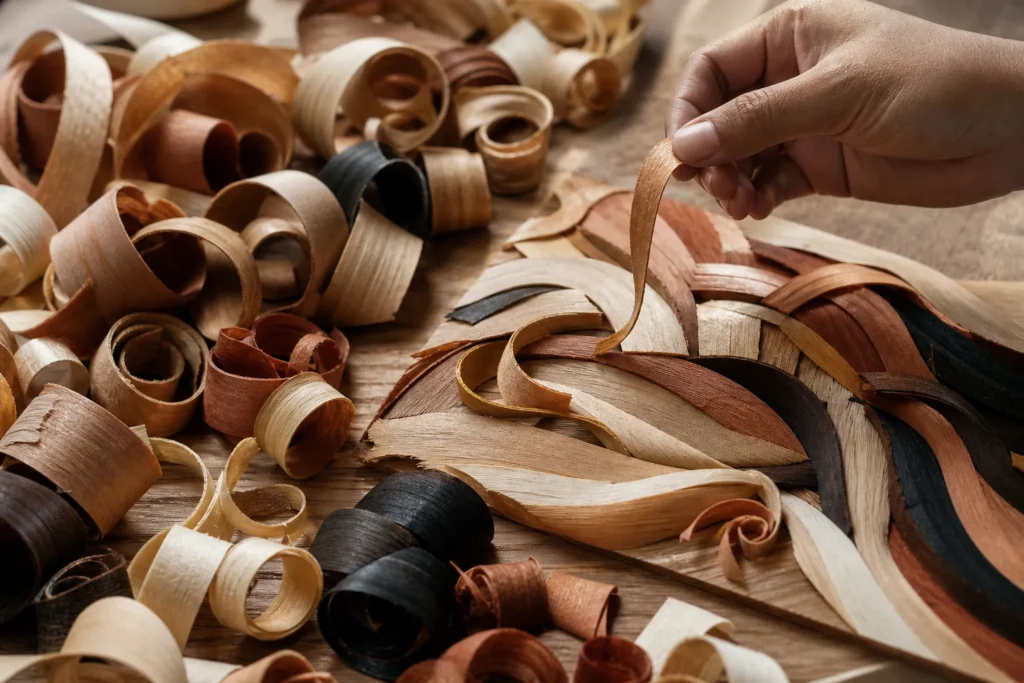
Wood grain, tonal differences, texture, density, and organic irregularity can make each element distinct. In a handcrafted composition, those differences are not defects to be erased. They are part of the artwork’s identity.
This material sensitivity also requires knowledge. Wood remains responsive to its environment, and museum conservation research shows that changes in heat and humidity can affect organic materials. The Getty’s discussion of how heat can harm many types of art explains why thoughtful material selection, construction, display, and care are important.
For PicWood, natural wood shavings are not treated as a decorative substitute for paint. Their inherent shades, curves, and textures become the visual language of the artwork. The material is not hidden beneath an artificial appearance. It is invited to speak.
This makes the creative process more demanding. The artist cannot simply request an identical replacement from a factory when a particular tone or texture is needed. Each natural fragment must be understood within the whole composition.
Scale Changes The Nature Of The Work
Large luxury wall art is not merely a smaller design enlarged. Scale changes the way an artwork must be conceived, built, transported, installed, and experienced.
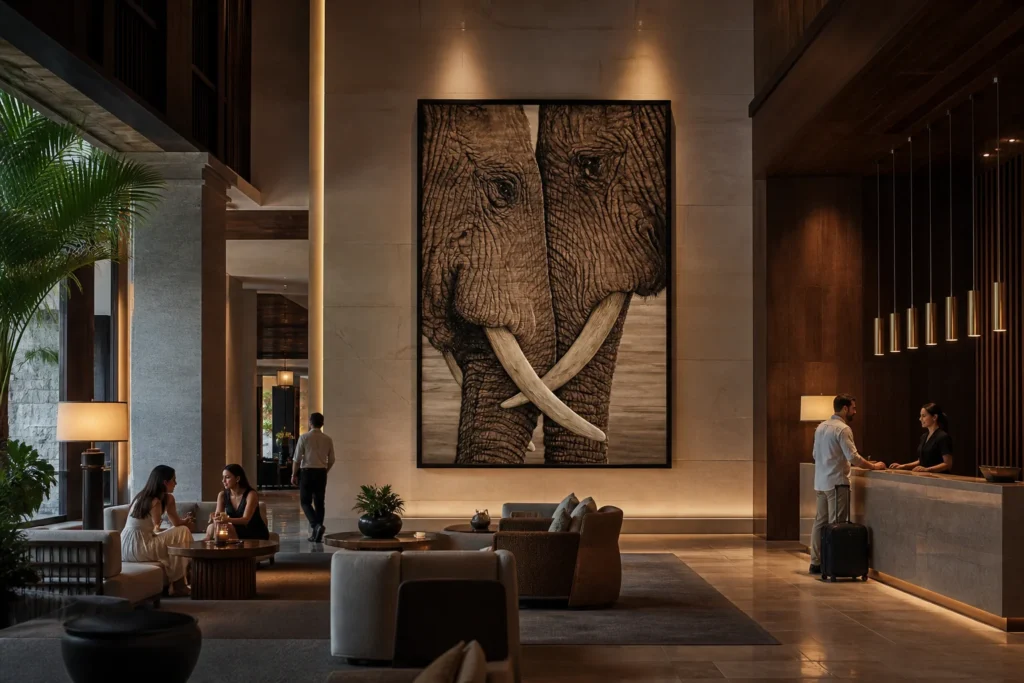
A piece intended for a villa entrance, double-height living room, boutique hotel lobby, or executive space must hold its presence across distance. It needs enough visual strength to relate to architecture, yet enough refinement to reward a closer view.
As size increases, so do practical demands. The artwork may require a stronger support structure, more precise weight distribution, specialist packaging, careful handling, and a considered installation plan. The buyer is not only purchasing an image. They are commissioning an object that must live confidently within a real interior.
Architectural Digest notes the statement-making impact of large-scale art, while also emphasizing the importance of measuring, planning, and giving a significant work enough space to breathe.
When the scale is right, expensive wall art can do something that smaller decorative pieces often cannot. It can establish proportion, create atmosphere, and make a room feel intentionally complete.
Rarity Changes The Meaning Of Ownership
Mass-produced decor is designed to be repeated. Collectible art is valued because repetition is limited, difficult, or impossible.
An original artwork carries a direct relationship to the artist’s decisions. A limited edition may still hold meaningful scarcity when the edition size, production quality, artist involvement, and documentation are clear. A one-of-a-kind handcrafted piece goes further, offering a form of ownership that cannot be replicated by another buyer.
This is why rarity matters emotionally as well as commercially. The artwork becomes part of the owner’s private world. It belongs to the atmosphere of a particular home, the memory of a particular place, or the identity of a particular family.
Collector value can be shaped by scarcity, production quality, condition, provenance, and collector demand. These principles help reveal why two visually appealing works can have very different values.
Luxury is often misunderstood as excess. In art, it is frequently the opposite. It is the privilege of owning something that has not been made for everyone.
Authorship And Provenance Build Confidence
A high price should never be justified by appearance alone. Serious buyers deserve to understand who created the work, how it was made, whether it is original, and what documentation accompanies it.
Authorship gives an artwork context. It connects the object to an artist’s practice, technique, ideas, and evolving body of work. Provenance gives the piece a traceable history. Certificates, invoices, exhibition records, studio documentation, and clear ownership details can all strengthen buyer confidence.
Art authentication may involve provenance, visual inspection, scientific analysis, and expert opinion. While not every luxury wall artwork will enter the auction market, the underlying lesson remains valuable: documentation protects the integrity of ownership.
Condition matters too. An artwork made from quality materials and supported by appropriate care guidance is better prepared for a long life. The Metropolitan Museum of Art’s work in physical care and technical study reflects how deeply materials, construction, and preservation matter to significant objects.
A credible artist or studio should be willing to discuss these details calmly. Luxury value becomes more convincing when it can be explained without performance or pressure.
The Artist Is Creating Atmosphere
The most important value of luxury wall art is also the least measurable.
Art changes the emotional temperature of a room. It can bring warmth to a minimalist interior, stillness to a busy hospitality space, or a sense of intimacy to a large architectural volume. It can give guests a reason to pause and give the owner a feeling of recognition each time they return home.
This emotional role is why the right artwork is rarely chosen through price comparison alone. A buyer may encounter many technically impressive pieces and feel nothing. Then one composition carries a texture, rhythm, or story that feels impossible to forget.
That response is not irrational. It is the point.
Luxury interiors are not memorable because every object is expensive. They are memorable because the objects feel considered, connected, and personal. A meaningful artwork can become the element that holds everything else together.
How To Judge Expensive Wall Art
Not every expensive artwork is valuable, and not every valuable artwork needs to be famous. Price should invite thoughtful questions rather than automatic trust.
Before purchasing or commissioning a piece, consider the following:
- Originality: Is the work unique, limited, or widely reproduced?
- Artistic authorship: Is the artist or studio clearly identified?
- Craftsmanship: Does the work show technical difficulty, precision, and intentional detail?
- Materials: Are the materials appropriate, distinctive, and honestly described?
- Scale and construction: Has the piece been designed to suit its size, weight, and installation needs?
- Documentation: Will the buyer receive clear records of authenticity, care, and ownership?
- Emotional connection: Does the artwork continue to hold attention after the first impression?
The best luxury wall art does not depend on a price tag to feel important. Its value becomes visible through the coherence of the idea, the depth of the making, and the atmosphere it creates.
When Art Becomes Part Of The Home
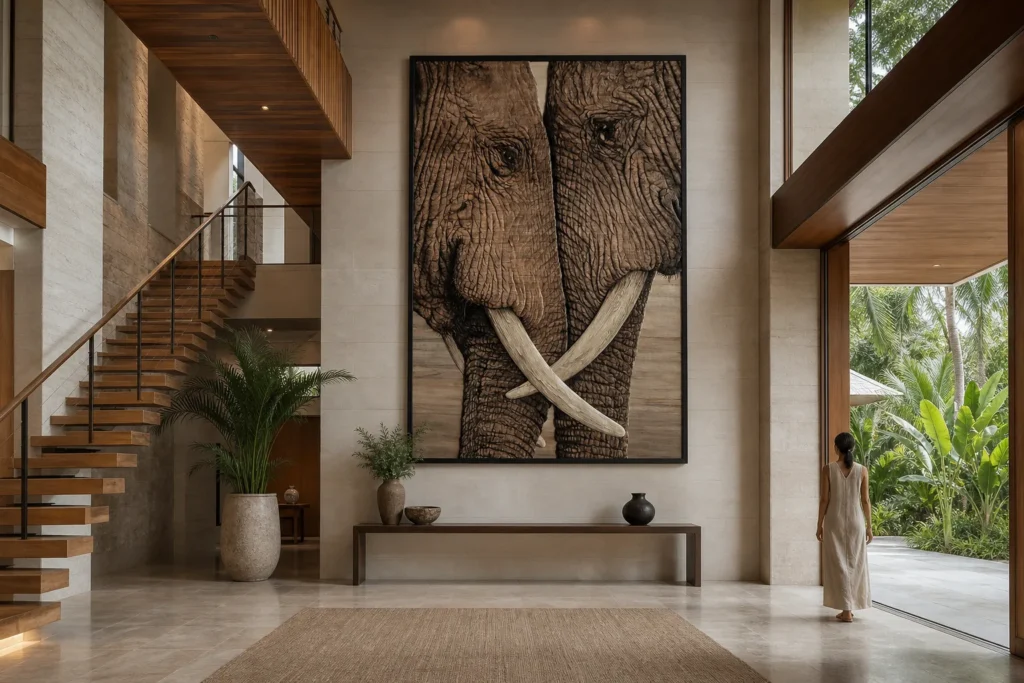
A thousand-dollar artwork and a mass-produced print may occupy the same amount of wall space, but they do not offer the same experience of ownership.
One is selected to complete a decorating task. The other can become part of the architecture, the family story, and the emotional memory of a place.
PicWood creates handcrafted wall art for buyers who want that deeper relationship with their interiors. Through natural material, patient making, and compositions designed to feel rare rather than repeatable, each piece is intended to bring identity to meaningful spaces.
The real question is not simply why luxury wall art costs thousands. It is whether the artwork offers something that ordinary decoration cannot: a presence that remains, a story that grows, and a room that no longer feels like anyone else’s.
Frequently Asked Questions
Is expensive wall art always a good investment?
No. A high price alone does not guarantee artistic or financial value. Buyers should look for originality, clear authorship, craftsmanship, documentation, condition, and a piece they genuinely want to live with.
Why does handcrafted luxury wall art cost more than a print?
A handcrafted artwork requires direct artistic involvement, skilled labor, material selection, construction, finishing, and limited availability. A print is designed for repeat production, while an original piece carries the marks of its making.
Can luxury wall art be customized for a specific interior?
Yes. A bespoke commission can consider the room’s scale, architecture, palette, atmosphere, and emotional purpose while preserving the artist’s distinctive creative language.